
Hakone is not
one single onsen town.
Hakone includes several distinct areas: the transport hub of Hakone-Yumoto, highland Sengokuhara, Gora and Miyanoshita along the mountain railway, and the shores of Lake Ashi. Decide how you want to spend your time before choosing where to stay.
Published July 21, 2026 · Reviewed by Foresta Hakone Onsen
Choose by Travel Style
Hakone Onsen Areas
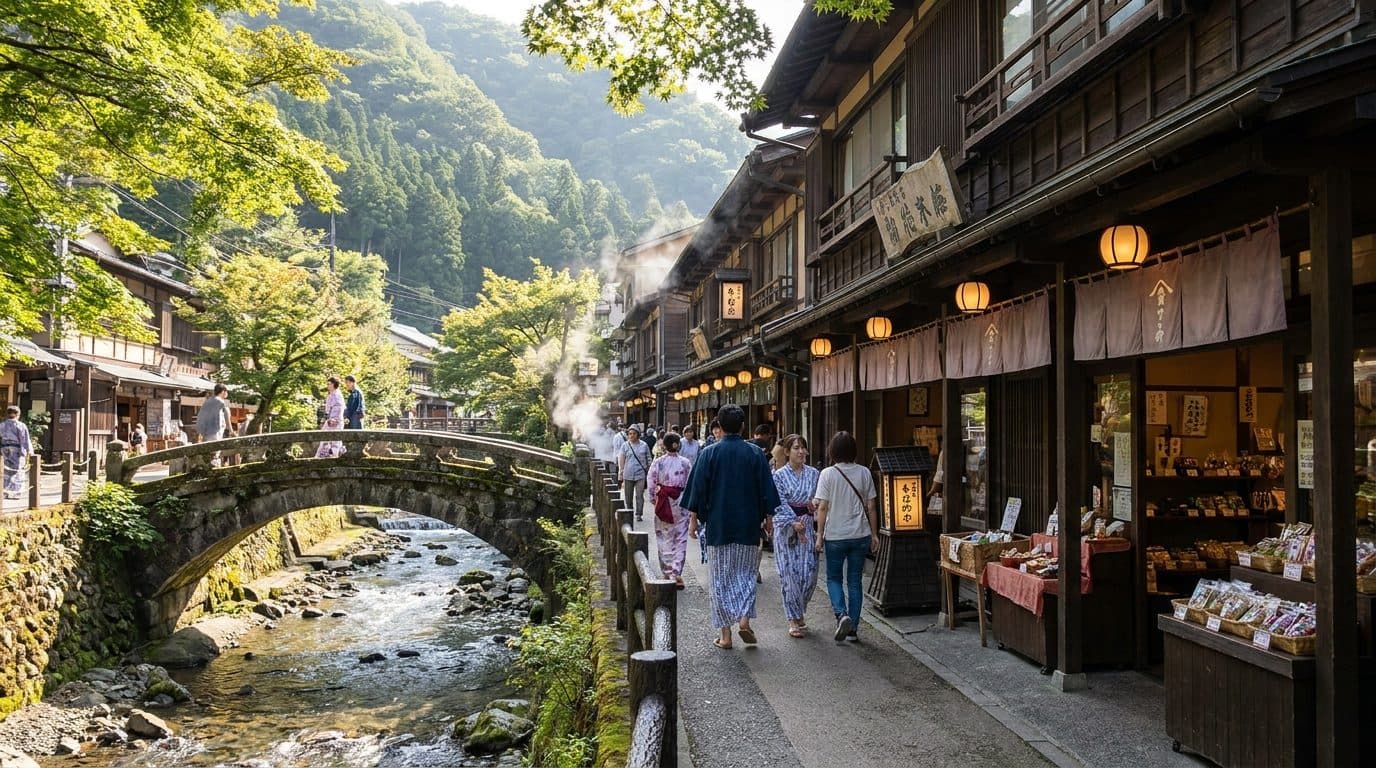
Hakone-Yumoto
For easy transport and a lively onsen-town stroll
Hakone's main gateway, convenient for rail and bus connections, with a historic hot-spring town, restaurants and shops.
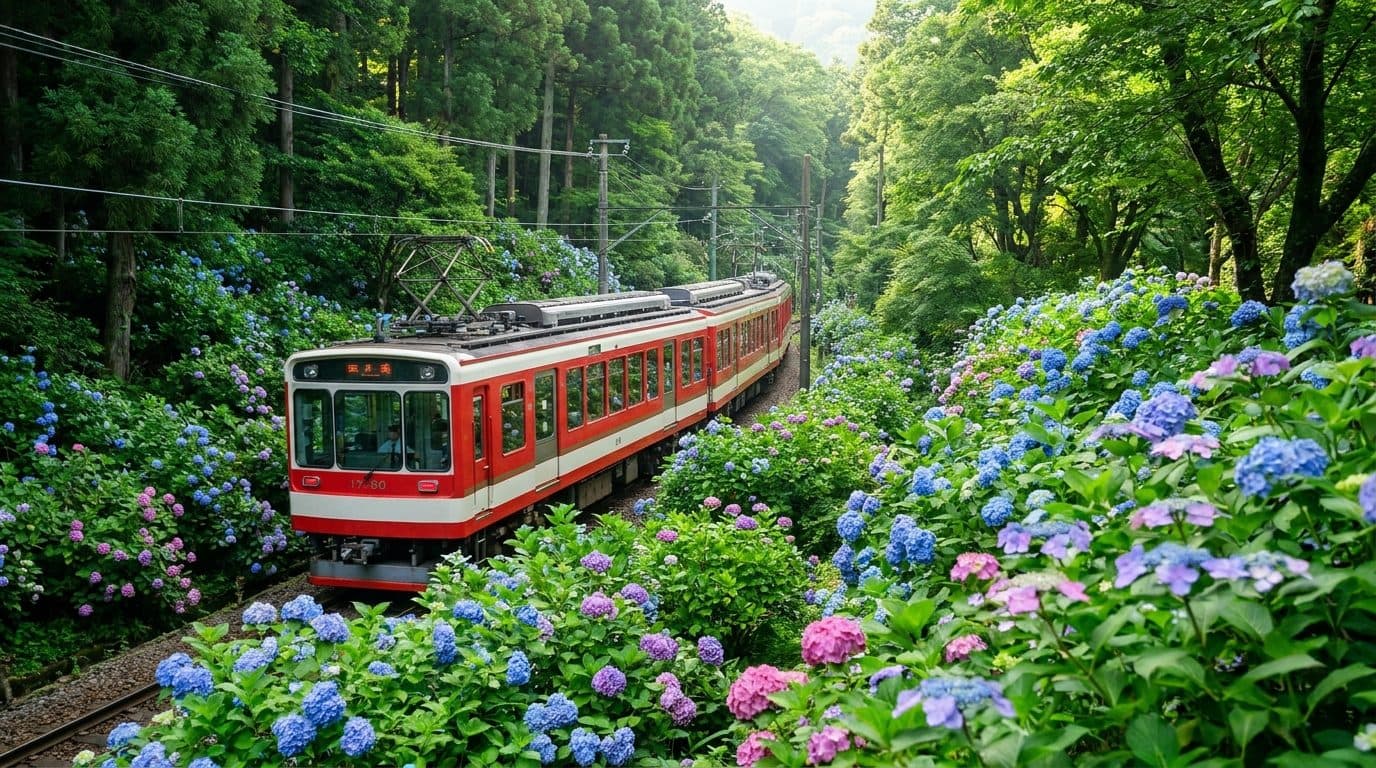
Gora & Miyanoshita
For mountain railways, art and classic resort scenery
An area of mountain railways, museums and heritage hotels. The terrain is hilly, so consider local transport when choosing your stay.
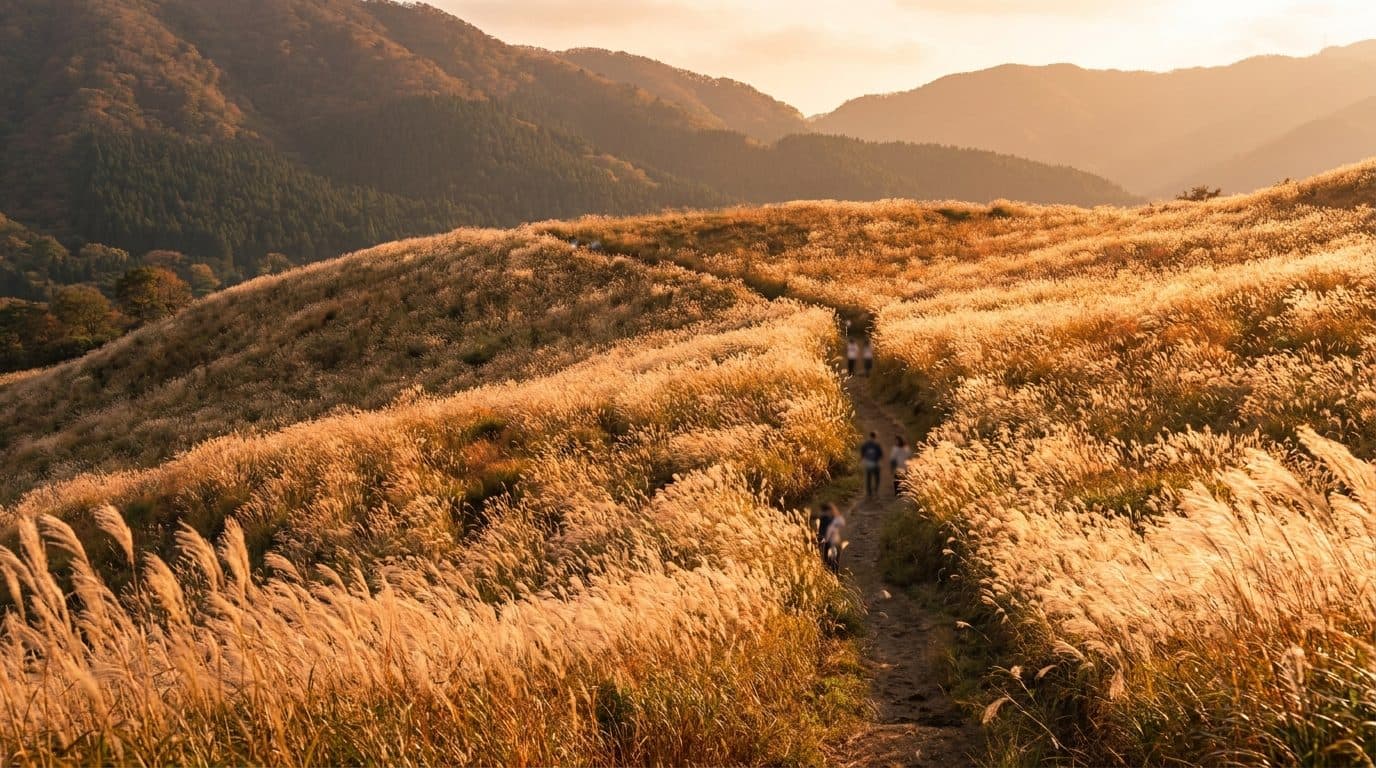
Sengokuhara
For quiet forests, milky water, nature and museums
A highland resort around 700 metres above sea level, close to pampas fields, gardens and museums, with both milky Owakudani and clear Ubako waters supplied in the area.
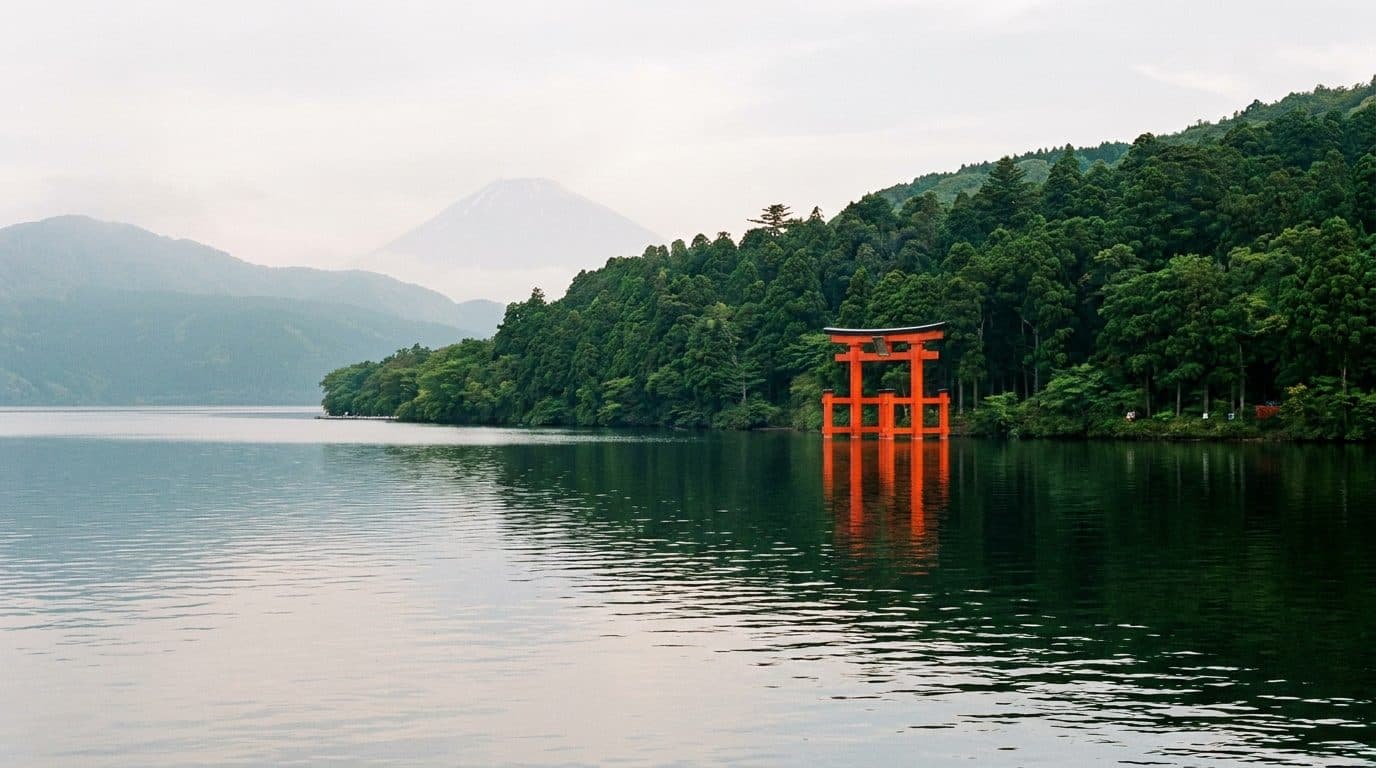
Lake Ashi & Moto-Hakone
For lakeside views and Hakone Shrine
A good base for Lake Ashi, Hakone Shrine and sightseeing cruises, especially when scenery is the focus of your trip.
Hakone's Seventeen Springs
Know the Water
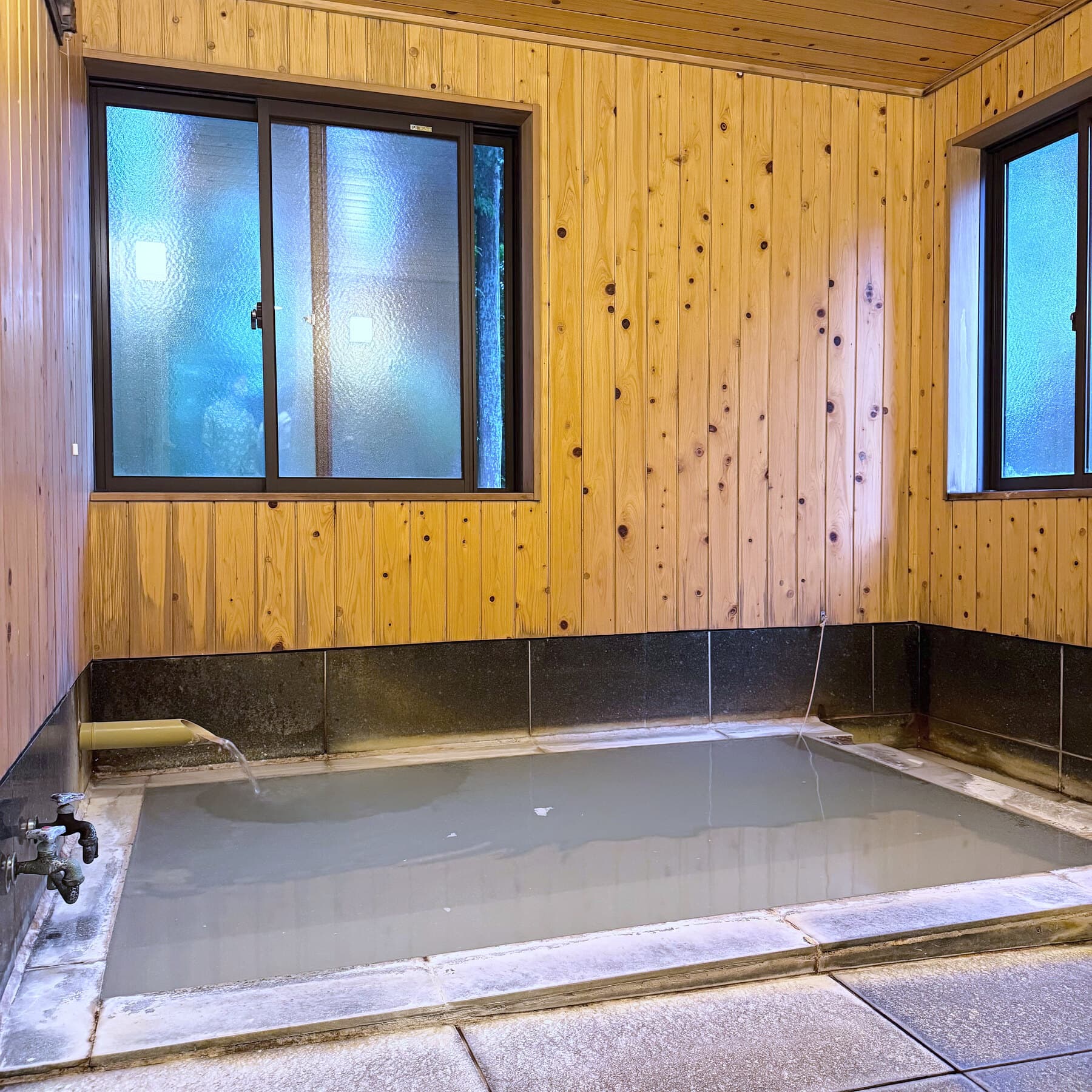
Different scenery and water across Hakone
Hakone's official tourism association presents the area's hot springs as the Hakone Seventeen Springs. Sengokuhara developed as a highland onsen area, supplied today with both milky sulfur water from Owakudani and clear water from Ubako.
Even within Hakone, water, scenery and transport vary. Check the water source and private-use conditions, not only bath photographs.
How Sengokuhara Got Its Water
The Making of a Spring
Sengokuhara is thought to have once lain beneath Lake Ashi. A steam explosion at Mount Kamiyama reshaped the land, and when the water drained away this broad marsh was left behind. The pampas grass that turns the plain gold each autumn grows on that old lakebed.
It is flat and open, but it was never blessed with hot water of its own — springs do not conveniently rise on a plateau at 700 metres. So people looked to Owakudani, the steaming volcanic valley above, and set about bringing its water down. Attempts began in the mid-Edo period, and in 1736 the channel finally worked.
Delivering water reliably over a mountain was another matter with the technology of the time. Sengokuhara only came into its own as a hot-spring district in the Meiji era, and from the early Showa years it grew as a district of summer villas.
Today Sengokuhara draws on 32 sources, with water at 70°C and a flow of 3,212 litres per minute. The clouded sulphur water of Owakudani and the clear water of Ubako are centrally managed and distributed to the inns — which is why two baths in the same village can be quite different colours.
The springs are calcium sulphate (gypsum) and simple sulphur springs of the hydrogen-sulphide type. Gypsum water is gentle and leaves the skin settled and soft; sulphur water carries its distinctive scent and clouds to white. That sulphur is why Sengokuhara is known as the village of the milky bath.
Sources: Hakone Town Tourist Association and Hakone Navi, “Sengokuhara Onsen”.
How to Bathe
Bathing Well
A long soak is not necessarily a better one. Sulphur water in particular acts strongly on the body, and an unaccustomed bather who stays in too long may feel light-headed. Ten minutes at a time, with rests in between and two or three visits over the evening, is far more pleasant.
Rinse before you enter, starting from your feet and working upward so your body meets the temperature gradually. Sinking a cold body straight up to the shoulders is best avoided, not least for your blood pressure.
Afterwards, simply pat yourself dry rather than showering off; the minerals stay on the skin. If your skin is sensitive, or the sulphur scent is not to your taste, a quick rinse is perfectly fine.
Drink water before and after. Avoid bathing immediately on arrival, just before or after a meal, or after drinking alcohol. Our private baths can be used when available during opening hours, as often as you like, so there is no need to do it all at once.
Five Things to Check
Choosing an Inn
01
Area
Does it suit your route and transport?
02
Onsen
Are source and private-use rules clear?
03
Room
Which bathroom facilities are private?
04
Meals
Do the menus and service style suit you?
05
Total
Compare the same conditions and policies.
Foresta Hakone Onsen is a five-room inn with two private baths and dinner and breakfast included. Our room page clearly explains the difference between in-room and shared washroom facilities.
Frequently Asked Questions
FAQ
Is Hakone Onsen one single hot-spring town?
No. Hakone contains a number of distinct hot-spring areas, including Hakone-Yumoto, Gora, Sengokuhara and Lake Ashi. The official tourism association presents them as the Hakone Seventeen Springs.
Which Hakone area is best for a quiet stay?
Sengokuhara is a strong choice if you value forests and highland calm over a busy onsen-town atmosphere.
When can I use the private onsen?
Foresta Hakone Onsen has two private baths for up to four guests each. Use whichever is available, during opening hours, as often as you like.
PRIMARY SOURCES